Lightroom Classic In-Depth - Developing and Editing Your Photos
Matt Kloskowski provides an in-depth look at all of the new sliders and features of Lightroom. Breaking down all the tips and tricks every beginner needs, while throwing in some information that can help even the most confident of Lightroom veterans.
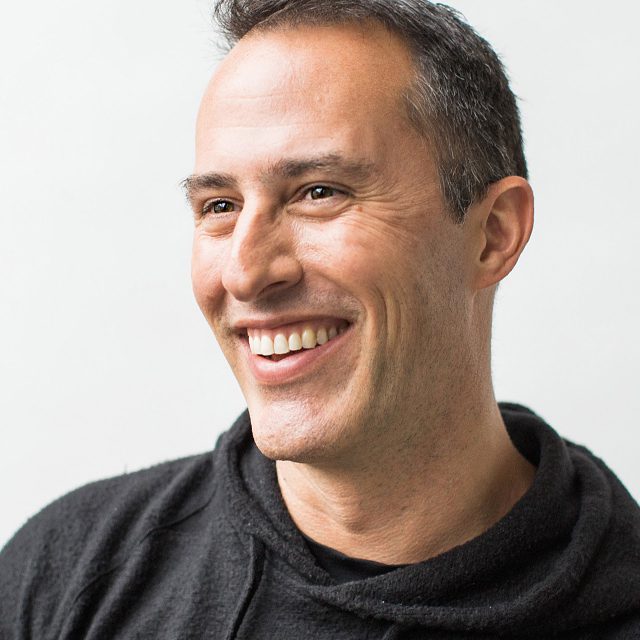
Release Date: 2012-03-06
Lessons
Introduction
<p>Join Matt for a quick introduction to the material that will be covered in this class.</p>
Duration: 1 mins 10 seconds
The Only Difference Between Raw and JPEG
<p>Find out some of the minor differences in the options available for processing raw and JPG files inside Lightroom.</p>
Duration: 2 mins 48 seconds
The Process Version
<p>Learn about the role of the process version and which one you should choose for working with your photos in Lightroom.</p>
Duration: 2 mins 54 seconds
The Basics – Camera Profiles
<p>Matt shows you why choosing the camera profile in the Camera Calibration panel can be one of the most important things to do first in your workflow (plus a cool tip on Solo Mode).</p>
Duration: 4 mins 56 seconds
The Basics – Cropping
<p>Cropping can be useful for removing unwanted elements from the edges of your photo, creating a tighter composition, and changing the aspect ratio of your photo (or all of the above).</p>
Duration: 5 mins 29 seconds
The Basics – White Balance
<p>Lightroom gives you multiple ways to set and adjust the white balance of your photos.</p>
Duration: 7 mins 40 seconds
The Basics – The Tonal Adjustment Controls
<p>Before you start making tonal adjustments on your photos, you need to understand how each slider in the center of Basic panel affects the various tonal values in a photo.</p>
Duration: 6 mins 54 seconds
The Basics – Shadows and Highlights
<p>One of the goals of the new Process Version 2012 was to give us more access to the details contained in the highlights and shadows regions of our photos. Learn how you can recover this detail with minimal impact on other tonal regions.</p>
Duration: 3 mins 17 seconds
The Basics – Setting the White and Black Points
<p>The Whites and Blacks sliders provide a fine level of control over the white and black clipping points.</p>
Duration: 7 mins 33 seconds
The Basics – Clarity
<p>The Clarity slider increases (or decreases) the amount of midtone contrast added to your photo. You can think of it as a bit of a detail enhancer adjustment when used in positive amounts or detail softener when used in negative amounts.</p>
Duration: 6 mins 46 seconds
The Basics – The difference between Saturation and Vibrance
<p>Vibrance and Saturation are powerful color enhancing adjustments that work very differently. Understanding the key differences will help you know when to use each adjustment correctly.</p>
Duration: 4 mins 18 seconds
Before/After: Portraits
<p>Increase your understanding of the basic workflow as Matt steps through the process of making adjustments on a couple of portrait photos.</p>
Duration: 3 mins 52 seconds
Before/After: Landscape
<p>Increase your understanding of the basic workflow as Matt steps through the process of making adjustments on a landscape photo.</p>
Duration: 3 mins 33 seconds
Before/After: Travel
<p>Increase your understanding of the basic workflow as Matt steps through the process of making adjustments on a travel photo.</p>
Duration: 3 mins 58 seconds
Before/After: Sports
<p>Increase your understanding of the basic workflow as Matt steps through the process of making adjustments on a sports photo.</p>
Duration: 2 mins 24 seconds
Making batch changes
<p>Lightroom can increase your efficiency when working with large (and small) batches of photos shot under the same conditions. Learn how to synchronize settings across a range of photos.</p>
Duration: 5 mins 29 seconds
The Tone Curve (mention RGB is new)
<p>The Tone Curve is another way to adjust the amount of contrast in your photo, but with a very fine level of control over which tonal values are affected. Learn the differences between the Point Curve and Parametric Curve modes.</p>
Duration: 3 mins 53 seconds
HSL – Adjusting Specific Colors
<p>HSL stands for Hue, Saturation, and Luminance. Learn how to use these sliders to make large and small adjustments to specific colors in your photos.</p>
Duration: 3 mins 21 seconds
History and Undos
<p>Thanks to the power of the Lightroom catalog all of the work you do in the Develop module is recorded and saved in the History panel. This gives you the ability to step back through the history of adjustments to an earlier state or even all the way back to the start.</p>
Duration: 3 mins 0 seconds
Snapshots
<p>The Snapshots panel can be used to preserve particular states in the way you process a photo. This can be used to save multiple different versions of how you might process a photo, and give you a quick means to switch between those different states.</p>
Duration: 2 mins 41 seconds
Comparing the Before and After
<p>Comparing the before and after versions of your photo is a powerful way to see the affects of the adjustments you are making in your workflow. Lightroom provides you with a number of different before and after views.</p>
Duration: 3 mins 5 seconds
Creative Settings – Black and Whites
<p>There are a couple of ways to change your photo to black and white, but Matt shows you the best method for maximum control in the conversion process.</p>
Duration: 3 mins 28 seconds
Creative Settings – Split Toning
<p>The Split Toning panel allows you to add a tint to your highlights, shadows, or both. This is most commonly used with black and white photos, but can be used with color photos too.</p>
Duration: 3 mins 37 seconds
Creative Settings – Virtual Copies
<p>A virtual copy is a way to create an additional set of instructions for processing the same original photo in a different way without actually duplicating the photo on your drive.</p>
Duration: 4 mins 49 seconds
Creative Settings – Vignettes and Grain
<p>The Effects panel allows you to add creative vignettes and grain in your photos as a finishing touch.</p>
Duration: 5 mins 37 seconds
Detail Settings – Sharpening
<p>Capture sharpening is intended to compensate for the inherent softness in raw captures. You can get fine control over how sharpening is applied via the Detail panel.</p>
Duration: 5 mins 31 seconds
Detail Settings – Noise Reduction
<p>Noise is the enemy of digital capture, and Lightroom has a great tool for reducing color and luminance noise with minimal impact on important detail.</p>
Duration: 6 mins 1 seconds
Lens Corrections
<p>Profile based lens corrections appeared in Lightroom and continue to evolve. Learn about the differences between the automatic and manual controls.</p>
Duration: 5 mins 46 seconds
Calibration
<p>Beyond the camera profiles and process version the Camera Calibration panel contains sliders for correcting colors rendered by the camera.</p>
Duration: 3 mins 42 seconds
Creating and Using Presets
<p>A preset is basically a recipe for one-click developing of your photos. Learn how to create and apply your own.</p>
Duration: 7 mins 8 seconds
Removing Sensor Spots
<p>Lightroom's Spot Removal Tool is primarily intended for seamless removal of sensor spots in your photos. The tool itself is easy to use, but Matt also has some great tips for finding all the spots hiding in the sky areas of your photos.</p>
Duration: 5 mins 14 seconds
Removing Red Eye
<p>The glow of red eye in your photographs is a sure sign of on-camera flash, but Lightroom makes it a snap to turn those red pupils black.</p>
Duration: 1 mins 18 seconds
Enhancing Skies with the Graduated Filter
<p>The Graduated Filter Tool allows you to apply a set of adjustments to a specific area of your photo (such as a sky) with a gradual fade to blend the effect into the surrounding area.</p>
Duration: 8 mins 59 seconds
Adjustment Brush – The Basics
<p>The Adjustment Brush is the best way to apply localized adjustments to just the areas of your photos you want to affect. Learn the basics of how to use one of the most powerful tools inside of Lightroom.</p>
Duration: 8 mins 54 seconds
Adjustment Brush- Getting Creative
<p>Learn how to go beyond corrections with a cool creative use for the Adjustment Brush.</p>
Duration: 7 mins 14 seconds
Adjustment Brush – Retouching Portraits
<p>The Adjustment Brush can even help out with basic skin retouching and possibly save you a trip to Photoshop.</p>
Duration: 7 mins 22 seconds