Just One More Flash
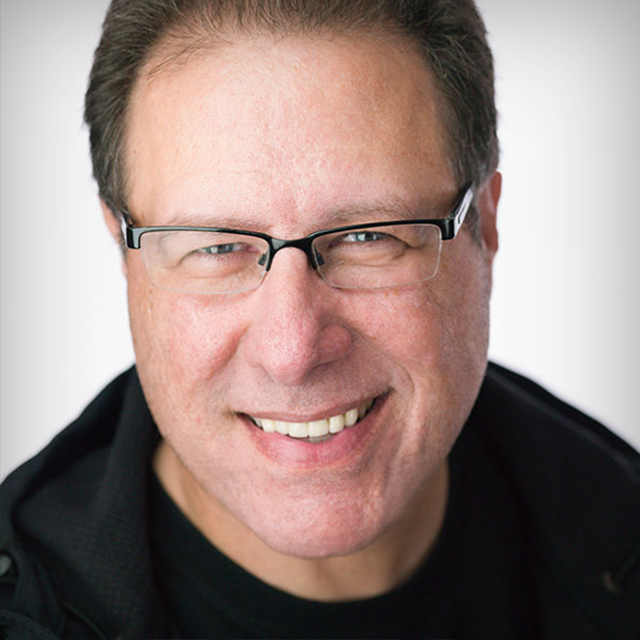
Learn how to add one more flash to your portrait lighting with Scott Kelby! Building on the foundation you gained in <a href="https://members.kelbyone.com/course/skelby-one-flash/">Just One Flash</a>, Scott teaches you the why, when, and how of adding a second flash to your Speedlight setup. Whether you want to create separation between your subject and the background, add a fill light to your subject, or change the look of the background itself, you’ll be amazed at all the great things you can do with a second flash. Be sure to re-watch the <a href="https://members.kelbyone.com/course/skelby-one-flash/">Just One Flash</a> class first, then you’ll be ready to take it to the next level with the skills you’ll learn here.
Release Date: 2017-05-26
Lessons
Why Add a Second Flash?
Join Scott as he introduces the class and explains the benefits and uses of adding a second flash.
Duration: 7 mins 31 seconds
Flash Groups
Groups allow you to control your flashes separately.
Duration: 8 mins 31 seconds
Channels
Channels are important, but not likely to encounter very often. Changing the channel can help you avoid interference from another photographer using the same frequency.
Duration: 3 mins 37 seconds
Softening the Second Flash
Putting something in front of the flash to soften and diffuse the light is very important.
Duration: 12 mins 46 seconds
Adding a Kicker Light
This kicker light setup will help to separate the subject from the background.
Duration: 8 mins 26 seconds
Lighting the Background
Lighting the background is an important decision that affects the mood of the entire photograph.
Duration: 7 mins 4 seconds
Positioning the Background Light
Where you position the light in relation to the background makes a huge difference.
Duration: 3 mins 38 seconds
Lighting the Background From the Side
Lighting the background from the side can create a very different effect.
Duration: 3 mins 35 seconds
Putting it All Together
With all lighting in place, Scott brings in a model to demonstrate how this all works to create the final image.
Duration: 6 mins 10 seconds
Using Gels to Change the Background Color
Using a gel to change the light color on the background can create a much more diffused and smoother lighting pattern.
Duration: 4 mins 13 seconds
On Location with Two Lights: Part 1
Moving outdoors with lights and stands adds new concerns and techniques.
Duration: 6 mins 52 seconds
On Location with Two Lights: Part 2
Swapping the softbox with a diffusion cap can change up the lighting look, and eliminate the need for a second softbox.
Duration: 2 mins 55 seconds