Building a Winning Portfolio: Editing and Sequencing Your Images
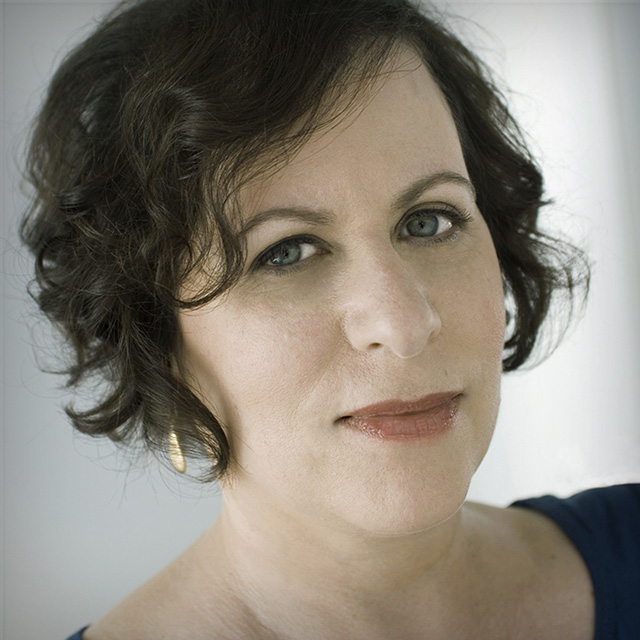
Become a better photographer through editing and sequencing! Join Stella Kramer, a Pulitzer Prize-winning photo editor, as she teaches you how good editing and sequencing can help to do a better job of telling a story with your work. You’ll learn the basics of editing and sequencing, the importance of knowing your objective, how to deal with critique, why you should stand behind your work, and the value in letting go. Stella brings all of these points home in a series of live edit and sequencing work sessions with three different photographic projects.
Release Date: 2017-01-18
Lessons
Editing and Sequencing
Two parts of a larger objective, which is to tell a story with your photography.
Duration: 2 mins 47 seconds
Knowing Your Objective
Editing is the process of whittling down to a useable amount of images that you can then sequence. Sequencing is what’s involved with telling a story with your images. You have to know your objective before you begin.
Duration: 17 mins 49 seconds
Learning to Let Go
You have to be able to let go of some of your images to edit and sequence.
Duration: 12 mins 21 seconds
Know Your Audience
Before you show your work, you need to think about your audience.
Duration: 3 mins 46 seconds
Telling a Story
Depending on your work, telling a story can be easy, but sometimes it can be more challenging and requires more work on your part.
Duration: 4 mins 28 seconds
Be Willing to Surprise Yourself
Sometimes seemingly unconnected images, when put side by side, can suddenly create something new.
Duration: 7 mins 31 seconds
Dealing with Critique
Reactions to your work may not always be positive, and you have to be prepared to deal with negative critiques.
Duration: 4 mins 50 seconds
Stand Behind Your Work
It requires a certain level of maturity as a photographer to do your work no matter how other people react.
Duration: 5 mins 39 seconds
Live Edit and Sequence: Sari Goodfriend Part 1
To better understand editing and sequencing Stella does a live edit with a photographer and her work.
Duration: 17 mins 51 seconds
Live Edit and Sequence: Sari Goodfriend Part 2
Stella and Sari move on to editing a second project of a different subject matter.
Duration: 19 mins 2 seconds
Live Edit and Sequence: Daniel Martinez
Stella wraps up the class with a live edit from a different photographer and project.
Duration: 18 mins 37 seconds